When the goal is not simply “to create shade,” but to reduce heat build-up, limit UV exposure, and conserve moisture without restricting airflow, aluminized shade netting (commonly known as Alumesh) is one of the most effective solutions available. This material is a highly reflective HDPE (high-density polyethylene) fabric engineered to reflect—rather than absorb—solar energy. The result is a cooler environment beneath the net, lower heat stress, and reduced evaporation.
What Is AluMesh and How Does It Work?
Aluminet® is an aluminum foil shade net made from HDPE with a reflective surface. Unlike traditional dark shade cloths, which often absorb heat and radiate it downward, Alumesh primarily works through reflection, helping to:
Reflect UV rays and a portion of solar heat
Reduce temperature build-up under the netting
Conserve moisture by lowering evaporation rates
Maintain ventilation due to its breathable, open-knit structure
Key Uses and Applications
1) Greenhouses and Horticulture
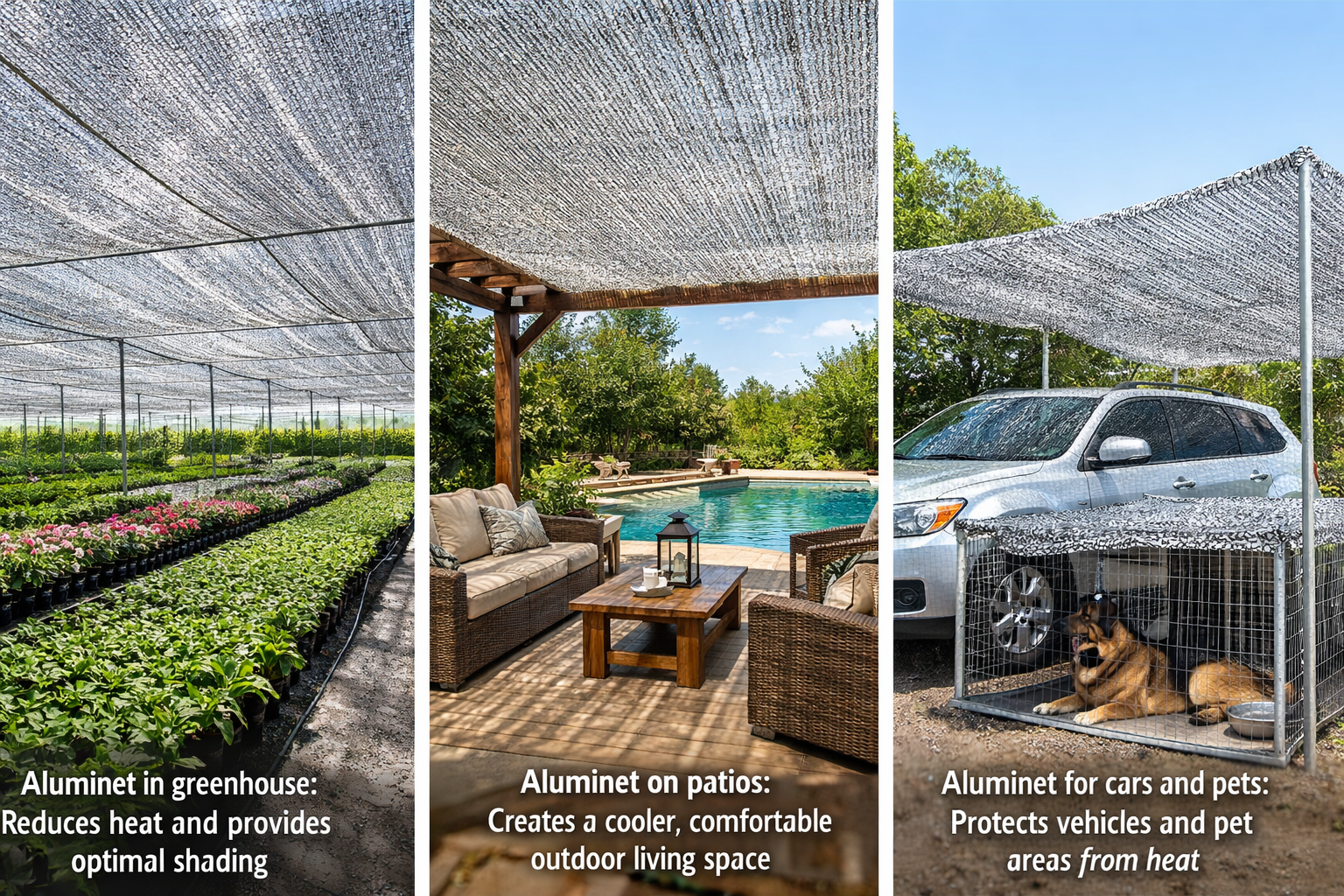
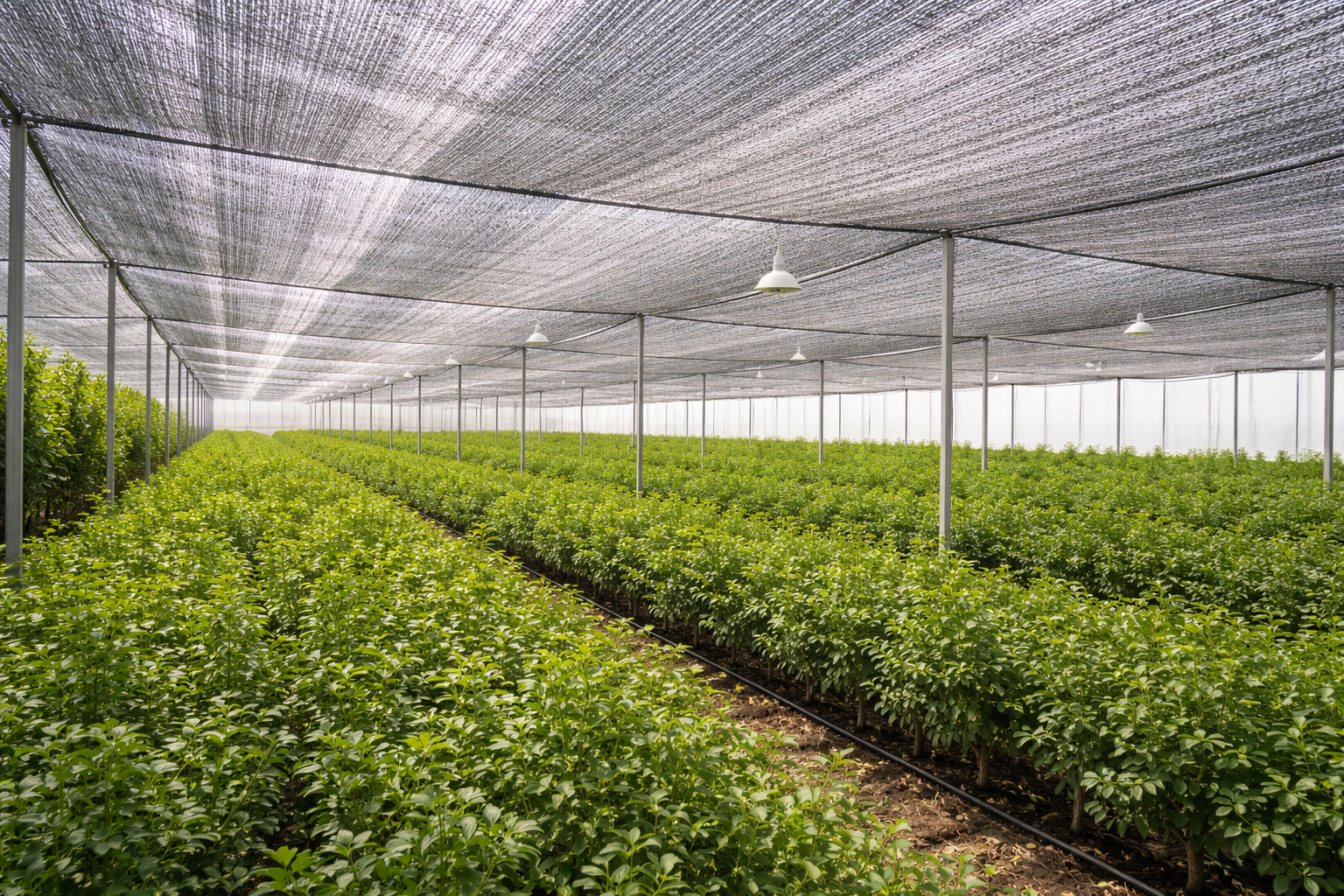
In protected agriculture, nurseries, and propagation areas, Aluminet® is widely used to regulate temperature and manage light intensity without “sealing in” hot air.
Typical benefits in production settings include:
Shade factors commonly ranging from 65% to 95% (depending on product specification)
Reduced risk of overheating during high-radiation periods
Lower evaporation, improving irrigation efficiency and reducing plant water stress
Better control of the microclimate to support healthier, more consistent growth (depending on crop and management)
Common installations:
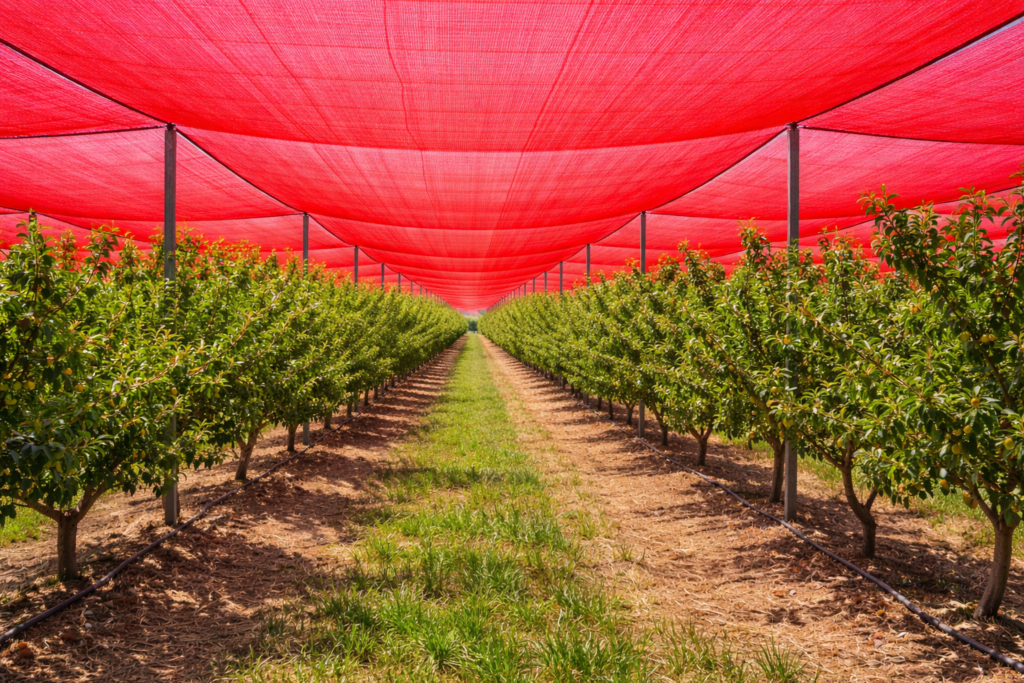
Overhead/external greenhouse shading
Under-plastic internal screens
Shade houses and nursery structures
2) Residential and Outdoor Cooling
Aluminet® is also used for pergolas, patios, balconies, terraces, and pool areas to provide shade that feels noticeably cooler than standard cloth or dark netting.
What homeowners and facilities typically value:
Improved comfort by reducing direct solar load
Shade that still allows air circulation
A clean, modern look thanks to the silver reflective finish
Many commercial references cite temperature reductions of 10–15°C compared with standard shading; however, actual performance depends on ventilation, installation height, orientation, surface materials, and local climate conditions.
3) Automotive and Pet Protection
For carports and parking areas, the main objective is to reduce heat accumulation inside vehicles.
For pets, Aluminet® is frequently used over kennels, cages, and outdoor enclosures to reduce overheating risk—especially where shade is needed without limiting airflow.
4) Agriculture and Insect Deterrence (Reflective Effect)
Because it reflects light rather than absorbing it, Alumesh may also help discourage certain pests (such as aphids and whiteflies) by altering the visual environment. This is most effective when combined with strong integrated pest management practices.
Reduced attractiveness for some pests due to reflection
Additional protection for sun-sensitive crops (vegetables, ornamentals, young plants)
Important: reflective shading is not a replacement for biological or chemical control when needed, but it can be a supportive tool within an integrated strategy.
5) Winter Protection (Seasonal Use)
In cooler conditions or during cold nights, Aluminet® can be used as a temporary cover to:
Key Advantages of Alumesh
✅ High Reflectivity (Less Heat Accumulation)
By reflecting a significant portion of solar energy, aluminized netting helps keep the shaded area cooler and the environment more stable.
✅ Breathable Structure (True Airflow)
Its open-knit design allows air to move freely, preventing heat from becoming trapped as it can under plastic films or some dense fabrics.
✅ Long-Term Durability
UV-stabilized HDPE provides:
Strong resistance to sun exposure
Good tear resistance (depending on weave and weight)
Reliable outdoor performance when installed and tensioned correctly
How to Choose the Right Shade Percentage (65% to 95%)
A practical guideline:
65%–75%: Cooling while maintaining higher light levels (many greenhouse crops, patios with plants, work areas)
80%–90%: Hot climates and stronger protection (nurseries, young plants, heavy-use outdoor living spaces)
95%: Maximum shade for extreme conditions (in agriculture, use carefully—excess shade can limit photosynthesis)
Installation Recommendations (For Best Performance and Long Service Life)
Maintain uniform tension to prevent sagging and reduce abrasion.
Use a sturdy structure designed for local wind loads.
Install at an appropriate height to support airflow (especially for patios and parking areas).
Reinforce edges and anchor points, which experience the highest stress.
In greenhouses, combine shading with good ventilation and irrigation management for optimal microclimate control.



Using dummy content or fake information in the Web design process can result in products with unrealistic assumptions and potentially serious design flaws. A seemingly elegant design can quickly begin to bloat with unexpected content or break under the weight of actual activity.